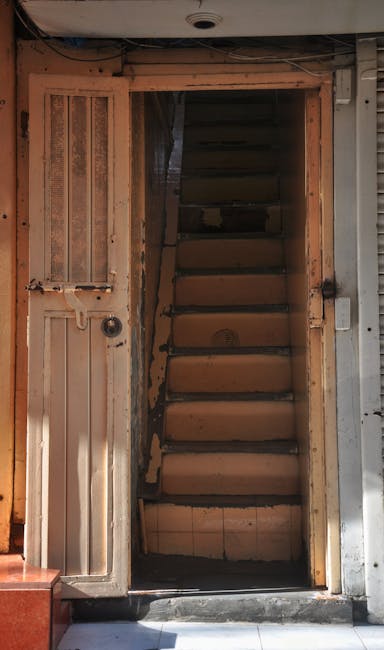
Earl's Court Bulky-Item Moves: Staircases, Lifts and Narrow Doors
Bulky-item moves in Earl's Court can look simple on paper and then get complicated fast the moment you meet a tight stairwell, a small lift, or a doorway that seems a few centimetres too narrow. If you've ever stood in a hallway with a sofa half-turned, wondering whether it will clear the banister or make it to the van in one piece, you're not alone. That is exactly where careful planning makes all the difference.
This guide explains how Earl's Court bulky-item moves: staircases, lifts and narrow doors work in real life, what slows them down, and how to make the process safer and less stressful. It also covers practical decisions, common mistakes, and the sort of details that often get overlooked until moving day. If you are weighing up options for a home move, a single-item pickup, or a more involved clearance, the right approach can save time, damage, and a fair bit of frustration.
For bigger household moves, it often helps to look at the broader service picture too. Many people combine a bulky-item move with home moves, house removalists, or even man and van support when the job needs extra hands but not a full-scale lorry. Truth be told, the best solution is usually the one that fits your building, your item, and your schedule.
Table of Contents
- Why Earl's Court bulky-item moves: staircases, lifts and narrow doors Matters
- How Earl's Court bulky-item moves: staircases, lifts and narrow doors Works
- Key Benefits and Practical Advantages
- Who This Is For and When It Makes Sense
- Step-by-Step Guidance
- Expert Tips for Better Results
- Common Mistakes to Avoid
- Tools, Resources and Recommendations
- Law, Compliance, Standards, or Best Practice
- Options, Methods, or Comparison Table
- Case Study or Real-World Example
- Practical Checklist
- Conclusion
- Frequently Asked Questions
Why Earl's Court bulky-item moves: staircases, lifts and narrow doors Matters
Earl's Court has a lot going for it: period buildings, compact flats, busy streets, and a wide mix of residential and commercial properties. The flip side is that bulky-item moves in this part of London can be awkward. Stairs are often steeper than you'd like. Lifts may be small, slow, or shared. Doors, especially in older buildings, can be narrow, angled, or awkwardly placed. And once you add street parking pressure and time limits, the whole job becomes more than just "lifting something heavy".
Why does that matter? Because most damage during a move happens in the margins. A wardrobe that catches on a corner, a fridge that scrapes the wall, a sofa that needs to be rotated mid-flight. Small misjudgements can lead to torn upholstery, chipped paint, strained backs, or an item that simply won't fit through. A careful plan is not overkill here; it is the job.
There is also a practical human side to it. Moving bulky items through a narrow staircase is tiring. It can be noisy, stressful, and, frankly, a bit claustrophobic. You hear the scuff of fabric against plaster, the thud of a protective blanket sliding, the occasional nervous "steady there" halfway up the landing. That atmosphere is normal. Planning makes it less chaotic.
If your move includes several rooms, boxed items, or office equipment, it may be worth looking at commercial moves or office relocation services too, since similar access problems often apply in workspaces. The issue is rarely just weight. It is geometry, timing, and building access. Not glamorous, but very real.
How Earl's Court bulky-item moves: staircases, lifts and narrow doors Works
The process is usually a sequence of checks rather than a single lift-and-go moment. A decent move starts before the item is touched. First, the access route is reviewed: front entrance, hallway width, stair turns, lift dimensions, landing space, door swings, and any tight points where the item may need to be angled or partially dismantled. Then the move method is chosen.
In simple terms, there are three main access routes:
- Staircase moves for buildings without practical lift access or where the item is easier to carry by hand.
- Lift-assisted moves where a lift exists and is large enough for the item, but needs careful loading and protection.
- Narrow-door or partial dismantling moves where a bulky item must be reduced in size, turned, padded, or carried in sections.
For example, a sofa may need its feet removed, its cushions detached, and its route measured from the lounge to the van. A bed frame might need slats and side rails separated. A mirrored wardrobe may need extra wrapping and a clear path with a second person guiding at the front. The process changes by item, which is why a one-size-fits-all approach can go wrong so quickly.
If the item is coming from storage or going into storage after pickup, a service like furniture pick-up can be a useful fit, especially when you only need one or two pieces moved safely. For a larger load, a vehicle choice matters too; sometimes a moving truck or removal truck hire is the better match, particularly when bulky pieces need extra loading space and protection.
Good movers also think about the building itself. Lifts may require booking, stairwells may need floor protection, and narrow entrances may call for blankets, straps, or corner guards. The actual carry is only one part of the job. The preparation around it is where the smooth moves happen.
Key Benefits and Practical Advantages
The obvious benefit is that a specialist approach reduces the chance of damage. But there are several other advantages that people often only appreciate after a move has already gone badly.
- Safer handling: awkward items are carried with better grip, better balance, and fewer risky lifts.
- Less property damage: walls, bannisters, lifts, and doorframes are protected more effectively.
- Less stress: you are not improvising in a hallway with a heavy object and three people giving different instructions.
- Better time control: a clear access plan tends to reduce delays, especially in shared buildings.
- More suitable vehicle planning: the right transport keeps the item stable and reduces extra handling.
There is also a financial upside, though it can be indirect. When a bulky item is handled badly, the hidden costs can be frustrating: chipped furniture, patch-up paint work, repair bills, extra labour, or a second trip because the item did not fit as expected. A careful move tends to be cheaper in the real sense, even if the quote is not the absolute lowest on day one.
For readers planning a wider move, the right support may include packing and unpacking services so fragile items are not rattling around next to the heavy stuff. If you want a smaller-scale, flexible option, a man with van service can be a sensible middle ground. Not every job needs a full removal crew. Sometimes it just needs the right people and the right tools.
Who This Is For and When It Makes Sense
This kind of move is for anyone dealing with large, awkward, or heavy items in a building where access is not straightforward. That sounds broad because, well, it is broad. Earl's Court properties range from studio flats to older mansion blocks, converted townhouses, and mixed-use buildings with all sorts of access quirks.
It especially makes sense if you are moving:
- sofas, armchairs, or corner units
- beds, wardrobes, or flat-pack frames that need partial dismantling
- white goods like fridges, freezers, or washing machines
- office desks, filing cabinets, or reception furniture
- single valuable items that need careful handling more than speed
It also makes sense when you are worried about the building rather than the item itself. Maybe the lift is tiny. Maybe there is a spiral staircase that turns a bit too sharply. Maybe the front door opens into a narrow corridor where a mattress has to be angled just so. These are the sorts of things that look trivial until you are actually there with a heavy object in your hands. Then they matter a lot.
If you are moving a home, a broader service such as home moves or help from experienced house removalists can save you the headache of piecing together separate arrangements. On the commercial side, businesses often need a bit more coordination than they first expect, especially if staff, equipment, and building access all need to line up on the same day.
Step-by-Step Guidance
Here is the practical version. This is the part that tends to make the difference between a calm move and a chaotic one.
- Measure the item accurately. Do not guess. Measure height, width, depth, and any protruding parts such as handles, feet, or armrests.
- Measure the route. Check door widths, stair landings, lift entrances, ceiling clearance, and turning points. If a staircase turns sharply, note that too.
- Identify anything removable. Feet, shelves, doors, drawers, cushions, and handles often buy you the extra centimetres that matter.
- Protect the building. Use covers, blankets, floor runners, or corner protection where needed. Shared stairwells can be unforgiving, and neighbours notice.
- Choose the route with the fewest risks. Sometimes the lift is technically available but too small or too slow. Sometimes the stairs are easier. You have to judge it honestly.
- Assign roles before lifting begins. One person leads, one supports, one watches corners and turns. Too many voices usually makes it worse.
- Move slowly through the tight spots. This is where most accidents happen. Don't rush the doorway. Pause. Re-angle. Check again.
- Load the vehicle securely. Heavy items should be strapped and cushioned so they do not shift in transit.
A small but useful detail: if an item needs to be turned on its side or partially disassembled, decide that before it reaches the staircase. People sometimes reach the landing, realise it will not clear the turn, and then start debating in the hallway. Not ideal. A little awkward, honestly.
For extra support with the vehicle side of the job, services like removal truck hire can help when you need the right size of truck without committing to a larger package. That can be especially handy for one-off bulky-item moves or for businesses moving stock and fixtures.
Expert Tips for Better Results
Experienced movers tend to focus on the small details that make a big difference. None of these are glamorous, but they are the sort of things that keep a move under control.
- Use the right number of people, not the maximum number. Too many hands can crowd the staircase and create confusion.
- Take photos of awkward access points in advance. A stairwell picture can tell you more than a vague description over the phone.
- Keep protective materials close at hand. If you have to stop and go searching for blankets halfway through, the mood drops fast.
- Remove trip hazards early. Shoes, mats, plant pots, clutter, loose cables. Clear the path properly.
- Plan for the weather. Rain in London changes everything a bit. Wet floors and heavy items are not friends.
One thing that is worth saying plainly: if an item feels too awkward for a solo attempt, it probably is. There is no prize for heroics on a wet staircase at eight in the morning. Better to ask for help, re-plan, and keep the day moving.
Another practical tip is to think about timing. Early mornings can be calmer in some blocks, while later slots may mean more residents using the lift. In shared buildings, a quiet hour can make a surprisingly big difference. Small detail, big gain.
Common Mistakes to Avoid
Most problems in bulky-item moves are predictable. That is actually good news, because predictable problems are avoidable.
- Not measuring properly: "It looked like it would fit" is not a measurement.
- Forgetting the corners: An item may fit through a doorway but still fail at the turn just after it.
- Ignoring lift restrictions: Some lifts cannot take the weight, size, or shape of certain items comfortably.
- Skipping preparation: Leaving drawers full or handles attached can turn a manageable item into a stubborn one.
- Rushing the final metre: People get tired near the end and start pushing. That is often when damage happens.
- Underestimating the building: Older properties can have odd angles, uneven floors, or tight communal areas.
There is also a common emotional mistake: assuming that because the item is heavy, brute force is the answer. Sometimes it is not. Often the best answer is better positioning, a cleaner route, or a bit of dismantling. Less drama, more outcome.
If your move includes sensitive documents, business equipment, or a whole office floor, consider pairing bulky-item handling with a more structured relocation plan through commercial moves. The access challenge may be the same, but the stakes can be a touch higher.
Tools, Resources and Recommendations
The right tools make access problems much easier to handle. You do not need a van full of specialist kit for every move, but a few items are consistently useful.
| Tool or Resource | What It Helps With | Why It Matters |
|---|---|---|
| Furniture blankets | Protecting surfaces and corners | Reduces scratches, dents, and scuffs during tight manoeuvres |
| Straps and ties | Securing items for carrying and loading | Improves control and stability in stairwells and vehicles |
| Floor protection | Shared hallways, lifts, and entrances | Helps preserve the property and keep the route clean |
| Measuring tape | Checking item and access dimensions | Prevents last-minute surprises at the doorway |
| Disassembly tools | Removing legs, doors, or fittings | Can turn a near-impossible move into a manageable one |
There are also service resources worth considering depending on the size of the job. If your move is just one item or a very small load, man and van support can be efficient. If you want help packing before the heavy stuff is lifted, packing and unpacking services can reduce breakage and speed up the day. And if you simply need to understand the company, its approach, or its service style before booking, the about us page is a sensible place to start.
Law, Compliance, Standards, or Best Practice
For bulky-item moves, the most relevant compliance concerns are usually practical rather than highly technical. In the UK, movers and building occupiers generally need to take reasonable care over health and safety, access, and property protection. That does not mean every move is covered by a single rulebook, but it does mean a professional approach should look cautious, organised, and respectful of the building.
Best practice usually includes:
- avoiding unsafe lifting methods
- using enough people for heavy or awkward items
- protecting shared areas where appropriate
- checking lift dimensions and any building rules ahead of time
- being honest about weight, size, and access limits
If a building has management requirements for lift bookings, loading bays, or move times, those should be followed. It sounds obvious, but this is one of those small admin points that can derail a day. Best not to find out at the front desk, suitcase in hand, with nowhere to park.
For peace of mind on service terms and customer expectations, it is also smart to review the relevant pages before booking, including terms and conditions and privacy policy. If you have a specific access issue or need to check availability, the quickest route is usually the contact us page.
Options, Methods, or Comparison Table
Different access problems call for different methods. Here is a simple comparison to help you think it through.
| Method | Best For | Strengths | Limitations |
|---|---|---|---|
| Carry by staircase | Items that fit the turns and landings | Often the simplest route; no lift booking needed | Can be physically demanding; higher risk if the item is oversized |
| Lift-assisted move | Items that fit inside the lift cabin and doors | Reduces manual effort and can be faster | Lift size, weight, and shared use can limit availability |
| Partial dismantling | Bulky furniture with removable parts | Improves fit through narrow doors and tight stairs | Requires tools and care to reassemble later |
| Specialist truck-based collection | Large or mixed loads | Better for multiple items, longer journeys, or secure loading | May be more than you need for a single item |
In practice, the best option is often a blend. A sofa may need dismantling, a staircase carry, and a truck with protection blankets. That is normal. Moving is rarely neat. It just needs to be managed well.
Case Study or Real-World Example
A typical Earl's Court scenario goes something like this: a couple in a first-floor flat need to move a large sofa, a king-size bed frame, and a washing machine. The staircase is narrow, the entrance door opens into a tight hallway, and the lift is small enough that it would only work for one item if that item was flat and narrow. On paper, the job sounds straightforward. In reality, it is a jigsaw.
Before moving day, the team measures the hallway, checks the stair turns, removes the bed frame legs, and plans the sofa route from lounge to street. The washing machine is prepared separately and loaded last so it can be secured near the front of the vehicle. Protective blankets are placed over the banister, and the hallway floor is covered to keep scuffs down. The sofa ends up being carried by the stairs because it clears the turn more safely than the lift route. Nothing dramatic. Just calm decision-making.
The result is not especially glamorous, but that is the point. No chipped wall paint, no strained shoulder, no last-minute panic. And yes, the building manager stays on good terms with everyone. Small victory, but a real one.
That kind of outcome is why people book organised help instead of trying to "just get it done somehow". A bulky-item move is much easier when the access path is treated as part of the job, not an afterthought.
Practical Checklist
Use this before moving day. It keeps the job grounded.
- Measure the item in full, including handles, feet, and any fixed protrusions.
- Measure doors, stairs, landings, and lift openings.
- Confirm whether lift booking or building permission is needed.
- Remove detachable parts where possible.
- Clear the route inside the property and near the entrance.
- Protect floors, bannisters, and doorframes.
- Choose the safest route, not just the shortest one.
- Confirm vehicle size and loading space.
- Prepare straps, blankets, and basic tools.
- Keep contact details handy in case plans need adjusting.
If you are still deciding between services, think about scale. A small pickup may suit a single bulky item, while a larger household move may be better handled through a more complete moving service. Either way, a clear plan beats guesswork every time. Every time.
Conclusion
Earl's Court bulky-item moves are not difficult because the items are impossible; they are difficult because the access is often tight, the buildings are varied, and the margin for error is small. Once you understand how staircases, lifts, and narrow doors change the plan, the move becomes far more manageable. Measure properly, protect the route, choose the right method, and do not rush the awkward bits.
Whether you are moving one heavy item or coordinating a fuller property move, the right support can make the whole thing feel lighter. A bit of planning here really does go a long way. And in a place like Earl's Court, where the buildings have character and the corridors have opinions, that matters.
Get a free quote today and see how much you can save.
If you'd like to learn more about the team behind the service, start with the about us page or head straight to contact us to discuss your access details. A clear conversation at the start usually leads to a much smoother day, and that is a relief you can feel before the van even arrives.
Frequently Asked Questions
How do I know if my bulky item will fit through a narrow door?
Measure the item at its widest point and compare it with the clear doorway width, not the frame size. Also check handles, feet, and any angle you may need to turn through the entrance.
Is it better to use the stairs or the lift for a bulky-item move?
Whichever route is safest and gives the best clearance usually wins. A lift can reduce effort, but if it is too small or awkward, the staircase may actually be easier.
Can furniture be dismantled to get through tight access?
Yes, often it can. Beds, wardrobes, tables, and some sofas may have removable parts. Just make sure the item can be reassembled properly afterwards.
What should I do before moving a sofa in Earl's Court?
Remove cushions, feet, and loose pieces, then measure the route from room to street. If there is a sharp turn or narrow landing, plan for extra hands and protection.
Do I need to book the lift in advance in a block of flats?
Often, yes. Some buildings require lift reservations or move-time approvals, especially in shared or managed properties. It's worth checking before moving day.
How can I protect walls and bannisters during a bulky move?
Use blankets, padding, or corner guards where contact is likely. A careful carry with one person guiding the front end helps too, especially on stair turns.
What if the item is too heavy for me to move safely?
Stop and get help rather than forcing it. Heavy, awkward items are exactly where injuries and damage happen. A second person or a professional mover is usually the safer choice.
Are man and van services suitable for bulky-item moves?
They can be, especially for single items or small loads. For larger or more awkward pieces, make sure the vehicle size and crew numbers match the access challenges.
How far in advance should I arrange a bulky-item pickup?
As early as you can, especially if lift booking, parking, or building access needs to be coordinated. A few days can help, but more notice is even better.
What happens if the item does not fit on the day?
The team may need to dismantle it further, use a different route, or change the vehicle plan. Good communication before loading reduces the chance of that happening.
Can I combine a bulky-item move with a full house move?
Yes. In fact, that is common. Many people pair one or two large items with broader services such as home moves or house removalists so everything is handled in one coordinated process.
Where can I find the service terms and company information?
You can review the terms and conditions and privacy policy, or use the contact us page for direct questions.