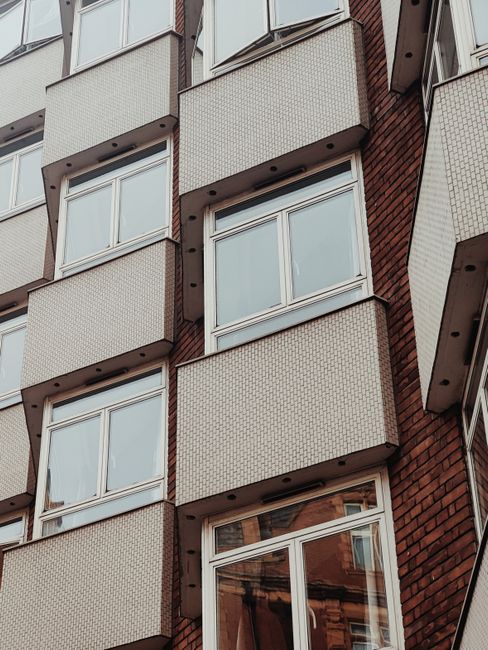
Nevern Place moving guide for Earl Court flats

Moving into or out of a flat on Nevern Place can feel straightforward on paper, then suddenly a little fiddly in real life. Narrow access, shared entrances, parking pressure, staircases, lift bookings, neighbours who are trying to get on with their day - it all adds up. This Nevern Place moving guide for Earl Court flats is here to make the process calmer, clearer, and much more manageable.
Whether you are relocating from a compact studio, a top-floor flat, or a larger family apartment, the goal is the same: protect your furniture, keep the move on time, and avoid those small mistakes that become expensive or stressful later. Let's break it down properly, with practical advice you can actually use.
Why Nevern Place moving guide for Earl Court flats Matters
Nevern Place sits in an area where flat moves often require a bit more planning than people expect. Earl Court streets can be busy, parking can be tight, and buildings may have shared hallways, controlled access, or rules about when removals can happen. None of that is unusual, but it does mean a rushed move can go sideways very quickly.
Think about the practical side for a moment. If your sofa does not fit neatly around the stairwell, if the van cannot stop close to the entrance, or if the lift is busy with other residents, every extra minute starts to matter. And when you are dealing with boxes, bedding, kitchen bits, and that one awkward lamp that somehow never packs well, the day can become a blur. Not ideal.
This guide matters because it helps you plan around the real conditions of moving in a London flat rather than the ideal version. That means fewer surprises, better timing, and more confidence on moving day. It also helps you choose the right kind of support, whether that is a simple man and van setup for a lighter move or a more structured service such as home moves for a fuller household relocation.
Expert summary: the best flat move is not the fastest one; it is the one that is planned around access, timing, and the actual layout of the building. That is what keeps the day smooth.
How Nevern Place moving guide for Earl Court flats Works
At its core, moving from a flat on Nevern Place works like most central London residential moves, but with a few local wrinkles. You confirm your moving date, check access at both ends, decide what is moving, choose the right transport, and line up packing and loading so the day runs in the right order.
For many people, the biggest win is simply matching the moving method to the size of the job. A small flat with a few pieces of furniture may suit a flexible man with van arrangement. A larger property, heavier furniture, or a move with lots of boxes may call for a moving truck or even removal truck hire if you want more carrying capacity and fewer trips.
In practice, the move usually follows a simple rhythm:
- Assess access at Nevern Place and at the destination.
- Work out how much needs packing, dismantling, and lifting.
- Book the most suitable moving support.
- Pack in a way that makes loading quick and safe.
- Move items in the right order, with fragile pieces handled separately.
- Unload and place furniture efficiently, so you are not moving the same box three times. We have all done it, or nearly.
If you are also disposing of unwanted items, a service such as furniture pick up can be useful before moving day, especially if you want to reduce volume and avoid paying to transport things you no longer need.
Key Benefits and Practical Advantages
The real value of a good moving plan is not just convenience. It is control. When the move is organised properly, you reduce physical strain, protect your belongings, and avoid time pressure that can make even simple tasks feel messy.
Here are the practical advantages most people notice:
- Less stress on the day: you know what is happening, when, and in what order.
- Lower risk of damage: careful packing and suitable transport reduce knocks, scrapes, and breakages.
- Better building etiquette: planned timing helps you avoid blocking entrances or annoying neighbours.
- More efficient loading: good packing means fewer wasted trips and less chaos at the curb.
- Clearer budgeting: when you know whether you need a van, a truck, or packing help, it is easier to compare options honestly.
One overlooked benefit is mental clarity. If you have ever tried to move while still searching for charging cables, passports, or the kettle, you will know what I mean. A proper plan stops the move from becoming a scavenger hunt.
For busy households, adding packing and unpacking services can be a sensible call. It is not just about speed. It is about having the right materials, the right sequence, and a bit less decision fatigue when the boxes start stacking up.
Who This Is For and When It Makes Sense
This guide is useful if you are moving from a flat on Nevern Place, but it is especially helpful if any of the following sound familiar:
- You live in a flat with stairs, a small lift, or awkward internal corners.
- You need to move on a tight timetable, maybe before work or between tenancies.
- You have bulky furniture like wardrobes, sofas, or beds that need dismantling.
- You are moving alone or with limited help from friends.
- You want to avoid multiple trips and prefer a more efficient one-day move.
It also makes sense for landlords and letting agents helping tenants exit a property without leaving the flat in a last-minute tangle. And yes, that happens more often than people admit.
If the move involves a business base, storage run, or office equipment rather than household furniture, you may want to look at commercial moves or office relocation services instead. The logistics are similar, but the priorities can be different: IT gear, documents, furniture, and continuity of operations all matter.
When the job is light and local, a simple man with van service can be the right fit. When the move is heavier, more structured, or spread across several rooms, a more robust option is usually safer and less fiddly.
Step-by-Step Guidance
Here is the part most people actually need: a clean, realistic sequence for getting the move done properly.
-
Check the building layout early.
Measure doorways, stair turns, and lift dimensions if you can. If a wardrobe or mattress is close to the limit, know that before moving day, not after the item is wedged at a landing and everyone is standing around looking thoughtful.
-
Confirm access for the vehicle.
Decide where the van or truck can reasonably stop. In an area like Earl Court, that detail matters. A few minutes of checking can save a lot of awkward carrying later.
-
Sort what is moving and what is not.
Separate keep, donate, recycle, and dispose. Fewer items mean fewer boxes, fewer labels, and a less exhausting unloading process at the other end.
-
Book the right moving service.
If you only need light lifting and one load, a man-and-van style service may be enough. If you have a full flat, larger furniture, or a tight schedule, consider a larger vehicle or even house removalists for a more complete service.
-
Pack by room and priority.
Kitchen, bedroom, bathroom, and essential documents should each have a clear system. Pack daily-use items separately so you do not spend the first night hunting for toothpaste or the phone charger. Tiny victory, huge difference.
-
Prepare fragile and awkward items.
Use proper wrapping for mirrors, glass, artwork, and electronics. Mark the boxes clearly. A little bit of extra tape now is cheaper than a cracked frame later.
-
Load in the right order.
Heavier items first, then stable boxes, then fragile pieces where they will not shift. Good loading is one of those quiet skills that makes the whole day smoother.
-
Do a final walk-through.
Check cupboards, sockets, storage areas, and behind doors. People always forget one drawer. Always.
That sequence may sound simple, but simple is exactly what you want when the clock is ticking and the hallway is getting busy.
Expert Tips for Better Results
After enough moves, certain habits stand out as genuinely useful. Nothing flashy. Just practical things that save time and reduce friction.
- Label boxes by room and priority. For example: "Kitchen - open first" or "Bedroom - bedding".
- Keep one essentials bag with you. IDs, keys, meds, chargers, snacks, and basic toiletries should not be buried under cushions and laundry.
- Use furniture blankets and stretch wrap. They are worth it for corners, polished wood, and anything with a surface that marks easily.
- Take photos before dismantling. It sounds obvious, then somehow the screws sit on the table looking identical and mysterious.
- Book the move earlier if your building has restrictions. Shared entrances and timed access windows can make an otherwise easy move awkward if you leave it late.
One more thing. If you have a lot to move but not enough manpower, do not try to solve it with optimism and two tired friends. That is how people end up carrying a mattress sideways in the rain. Use the right support from the start.
For larger or more complex moves, a moving truck option may be more efficient than multiple smaller runs. Less back and forth, less waiting, and usually less stress. You notice the difference right away.
Common Mistakes to Avoid
Most moving headaches come from a few predictable mistakes. They are easy to make, especially when you are juggling tenancy deadlines, work, and the general business of life.
- Underestimating access: a van may be parked far from the entrance, or an item may not fit through a hallway bend.
- Packing too late: last-minute packing leads to weak boxes and forgotten essentials.
- Choosing the wrong vehicle size: too small means extra trips; too large can be unnecessary cost.
- Not checking building rules: some flats have preferred times or access procedures that need to be respected.
- Forgetting disassembly tools: if a bed frame needs taking apart, you do not want to be hunting for the hex key at 7:30 in the morning.
A common one, and a very human one, is simply packing the "important" stuff in a random box because it felt safe at the time. Then you cannot find it. Classic. Avoid that by keeping a labelled essentials box and a separate document folder.
Also, do not forget disposal. If you have old tables, broken chairs, or unwanted items that are not worth moving, it may be better to arrange a clean-out before the main move. That is where the right removal support can save effort.
Tools, Resources and Recommendations
You do not need fancy equipment to move well, but a handful of practical tools can make a noticeable difference.
- Strong boxes: use good-quality boxes in sensible sizes rather than overstuffing oversized ones.
- Packing tape: plenty of it. More than you think.
- Bubble wrap or paper wrap: for glasses, lamps, framed pieces, and breakables.
- Furniture blankets: useful for sofas, tables, and painted surfaces.
- Markers and labels: clear, large writing saves time later.
- Basic toolkit: screwdriver, Allen keys, and a tape measure are the unsung heroes of moving day.
If you are comparing support options, start by thinking about volume, access, and how much hands-on help you want. A smaller move may suit a simple service, while a full flat relocation may justify a more structured approach such as home moves. If you want to keep the move efficient and avoid multiple vehicles, removal truck hire can also be a practical route.
For homeowners or tenants who are still deciding between doing everything themselves and hiring help, there is no shame in choosing the easier path. Truth be told, moving is one of those tasks where "a bit of support" often ends up meaning "a much better day".
Law, Compliance, Standards, or Best Practice
Flat moves in London are not usually complicated from a legal point of view, but there are still good practices worth following. Some are about safety, others about courtesy, and some are just common sense.
First, building access rules matter. If your block has a lift booking system, designated loading times, or restrictions on moving through common areas, follow them carefully. Managing agent instructions are not there to make life difficult; usually they are there to reduce disruption and protect shared property.
Second, safe lifting matters. Heavy lifting should be done using proper technique and suitable equipment where needed. If an item is too heavy, too awkward, or too valuable to risk, get help. That is not overcautious. It is sensible.
Third, insurance and responsibility should be clear before moving day. If you are booking professional help, ask what is included and what limitations apply. This is where service terms are worth reading properly, even if, let's face it, nobody ever gets excited about terms and conditions. Still, they matter. If you want to review them, you can find the site's terms and conditions and privacy policy.
Finally, respect noise and shared spaces. A moving day in a residential building should be efficient but not chaotic. Keep hallways clear, avoid leaving rubbish behind, and be courteous to neighbours and staff. That kind of behaviour costs nothing and goes a long way.
Options, Methods, or Comparison Table
Choosing the right moving method for a Nevern Place flat depends on volume, access, and how much support you want. Here is a simple comparison.
| Option | Best for | Strengths | Potential drawbacks |
|---|---|---|---|
| Man and van | Small flats, a few large items, short local moves | Flexible, practical, often cost-conscious | May need extra trips if volume is underestimated |
| Man with van | Light-to-medium moves with simple access | Quick to arrange, good for straightforward relocations | Not ideal for very large or heavily packed moves |
| Moving truck | Bulkier flat moves or multiple rooms | More space, fewer trips, better for larger loads | Can be unnecessary for tiny moves |
| Removal truck hire | Moves needing capacity and a more planned approach | Useful for larger inventories and organised loading | Needs a more careful plan and realistic access checks |
| Packing and unpacking support | Busy households, fragile items, tight deadlines | Reduces stress and speeds up the whole process | Only worthwhile if you value time and convenience |
If you are unsure which route to take, start by estimating the true volume of your belongings. People often guess low. Then the second trip appears, and the day becomes longer than planned. Not the end of the world, but avoidable.
Case Study or Real-World Example
Here is a realistic example. A tenant moving from a first-floor flat on Nevern Place had a bed, wardrobe, sofa, dining table, six boxes of books, kitchenware, and a few fragile framed prints. The access was decent, but the stairwell was tight and the lift was not suitable for the wardrobe. The move looked simple until the furniture measurements were checked properly.
Instead of trying to force everything into a single rushed loading plan, the items were sorted by size and priority. The wardrobe was dismantled in advance, the prints were wrapped separately, and the boxes were grouped by room. A van with enough space for one consolidated load was booked, and the move finished in a morning rather than dragging on all day.
The real difference was not speed alone. It was fewer decisions on the spot. The hallway stayed clear, the loading was calm, and the flat was handed over without panic. A small thing, maybe. But on moving day, small things are everything.
This is exactly why a guide like this matters. It turns a moving day from guesswork into a plan.
Practical Checklist
Use this checklist in the final few days before the move. It keeps the process simple, even when the room starts filling with half-packed boxes and mugs you forgot you owned.
- Confirm moving date and access times.
- Check parking or stopping arrangements at both properties.
- Measure large furniture and tight turning points.
- Book the right vehicle and level of help.
- Set aside essentials: keys, documents, chargers, medication, wallet.
- Label every box by room and contents.
- Pack fragile items separately with clear markings.
- Dismantle furniture that will not fit safely in one piece.
- Keep cleaning materials aside for the final sweep.
- Do a walk-through of cupboards, loft spaces, and under beds.
- Notify building staff or neighbours if required by house rules.
- Arrange furniture pick-up or disposal for anything not coming with you.
And if you are still deciding between a few support options, speak with a mover early rather than late. A quick conversation can save a surprising amount of hassle. If you need to get in touch, use the site's contact us page.
Conclusion
A Nevern Place flat move does not need to feel complicated. With the right preparation, the right transport, and a sensible packing plan, it becomes a structured job rather than a stressful scramble. The main thing is to respect the realities of London flat living: access, timing, shared spaces, and the awkward dimensions that always seem to show up at the worst moment.
Start early, measure properly, choose the service that fits the size of the move, and keep your essentials easy to reach. That is the kind of simple discipline that makes moving day feel manageable, even on a busy street in Earl Court.
Get a free quote today and see how much you can save.
And if you want a service overview before you decide, it can help to browse the company's about us page and compare the available moving support with your own situation. Small bit of planning now, much calmer day later.
Moving is never exactly glamorous, but it can be smooth. That counts for a lot.
Frequently Asked Questions
What is the best moving option for a flat on Nevern Place?
It depends on the amount of furniture, the building access, and whether you need help with packing. A man and van service can work well for smaller moves, while a larger flat may need a moving truck or removal truck hire.
Do I need to measure furniture before moving from Earl Court flats?
Yes, if you have anything bulky. Measuring sofas, wardrobes, bed frames, and appliances helps you avoid getting stuck in stairwells or at door frames. It is one of the simplest ways to reduce moving-day stress.
How far in advance should I book a moving service?
As early as you can, especially if your move has a fixed deadline or access window. Even a straightforward flat move can become awkward if you leave the booking too late and the best time slots are gone.
Is a man with van enough for a one-bedroom flat?
Often yes, but it depends on how much furniture you own and whether there are stairs, no lift, or awkward access points. A one-bedroom flat with lots of boxes may need more capacity than it first appears.
Can I move large furniture without dismantling it?
Sometimes, but not always. Dismantling furniture can make the move safer and easier, especially for beds, wardrobes, and shelving units. If you are unsure, check measurements before assuming it will fit.
What should I keep with me on moving day?
Keep keys, identification, payment details, chargers, medication, important paperwork, and a few basic toiletries with you. A small essentials bag can save you a lot of rummaging later.
Should I use packing and unpacking services?
If you are short on time, dealing with a lot of breakables, or simply want a calmer move, packing and unpacking services can be very useful. They are especially handy for busy households or full flat relocations.
What if I have items I do not want to take with me?
That is a good time to separate donation, disposal, or furniture pick-up items before moving day. Reducing clutter early usually makes the whole move faster and cheaper to manage.
How do I choose between home moves and commercial moves?
Use home moves for residential flats and houses, and commercial moves when the relocation is for a business, office, or workspace. The planning is different, even if some of the logistics overlap.
What are the most common flat-move mistakes in Earl Court?
The biggest ones are poor access planning, underestimating box volume, packing too late, and choosing the wrong vehicle size. Those four issues cause more moving trouble than people usually expect.
Where can I find the service terms before booking?
You can review the site's terms and conditions before making a decision. It is always wise to understand what is included, what is not, and how responsibilities are handled before the moving day starts.
What is the smartest first step if I am moving from Nevern Place soon?
Check access and measure the large items first. Once you know what can realistically be moved, it becomes much easier to choose the right service and build a sensible plan around it.