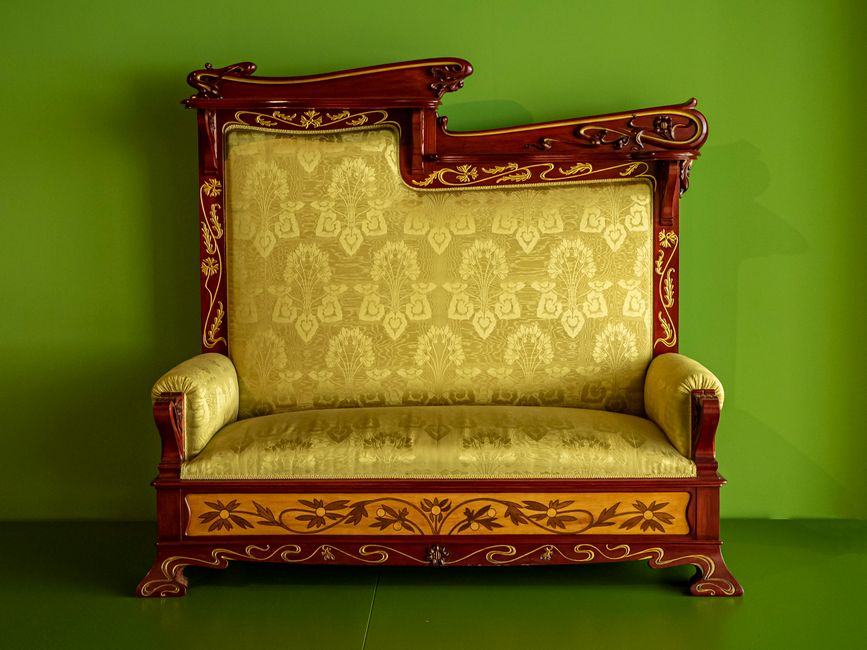
Victorian sofa move: how we navigated Earl's Court lanes
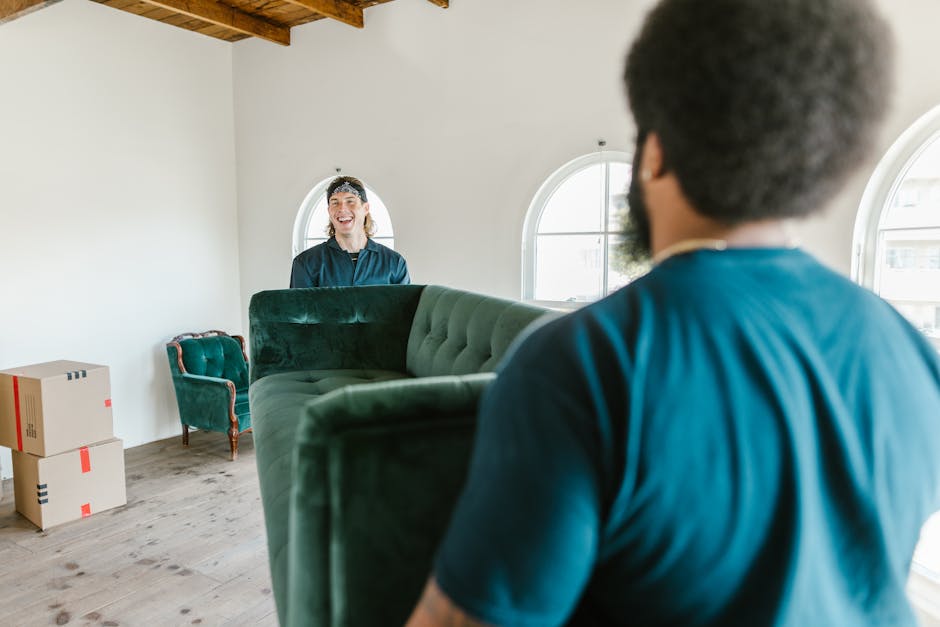
If you have ever tried to move a Victorian sofa through Earl's Court, you will know the problem is rarely the sofa itself. It is the narrow lanes, tight turns, resident parking, awkward doorways, and that one staircase that seems designed by someone with a grudge. This guide on Victorian sofa move: how we navigated Earl's Court lanes breaks down the real-world approach we used, why the planning mattered, and how to avoid the usual headaches that come with bulky furniture in central London.
We are focusing on the practical side: access checks, route planning, handling the piece safely, and choosing the right moving method for older, heavier furniture. If you are dealing with a family heirloom, a vintage settee, or a well-built Victorian-style sofa that simply will not flex, this is for you. Truth be told, a move like this is less about brute strength and more about judgement.
One wrong angle, one missed parking detail, and the whole day can unravel. The good news? With the right preparation, it becomes very manageable.
In this article, you will find a clear step-by-step process, common mistakes, a realistic comparison of moving options, and a checklist you can actually use. Let's get into it.
- Why this kind of move matters in Earl's Court
- How the move works in practice
- Key benefits and practical advantages
- Who this is for
- Step-by-step guidance
- Expert tips for better results
- Common mistakes to avoid
- Tools, resources and recommendations
- Law, compliance, standards, or best practice
- Options, methods, or comparison table
- Case study or real-world example
- Practical checklist
- Frequently asked questions
Why Victorian sofa move: how we navigated Earl's Court lanes Matters
Earl's Court is one of those London areas where a simple furniture move can become a puzzle. The streets are busy, the access is often tight, and a sofa that looked "fine" in a large room suddenly feels enormous once you try to swing it through a stairwell or around a corner. A Victorian sofa move matters because these pieces are usually heavier, more rigid, and more vulnerable to damage than flat-pack furniture.
The other issue is context. Many properties around Earl's Court sit in terraces, mansion blocks, conversions, or older flats with limited lift access. That means the sofa may need to pass through communal areas, stair landings, narrow hallways, and kerbside loading points. If you do not plan around those constraints, even a well-intentioned move can become a scratched wall, a strained back, or a very awkward conversation with the neighbours.
And yes, the lanes themselves can be a real consideration. A vehicle may not always be able to park right outside. Sometimes you need a smaller van, a timed arrival, or a careful loading plan so the team can work quickly once the sofa is out. That is why local knowledge counts. You are not just moving furniture; you are navigating a small logistics problem in a dense part of London.
Key takeaway: the move matters because access, timing, and handling are all tightly linked. If one part is off, the whole job gets harder.
How Victorian sofa move: how we navigated Earl's Court lanes Works
The basic process is straightforward, but every stage has a small wrinkle. Here is the practical flow we followed.
1. Assess the sofa before anything else
First, we looked at the sofa itself: width, height, depth, leg clearance, upholstery type, and whether any parts could be removed. Victorian-style sofas often have carved legs, delicate trim, or buttoned fabric that catches on door frames. You want to know this before you reach the front door, not after.
We also checked whether the sofa could be safely rotated. Some pieces will pass more easily on an angle, while others need a very controlled tilt. If the frame feels fragile, the safest route is often slower, not faster. That is a small thing, but it saves damage.
2. Map the route from room to vehicle
Next came the route. We checked the internal route first: room, doorway, corridor, stairwell, front steps, pavement, and then the vehicle position. In Earl's Court, those final few metres can be the trickiest. A lane may be tight enough that the van needs to wait on a wider section of road, or a loading area may be available only for a limited window.
This is where local familiarity helps. You do not want to discover a parking issue while carrying a sofa halfway down a staircase. Nobody enjoys that. Nobody.
3. Protect the sofa and the property
We used protective wrapping, furniture blankets, and careful edge protection where needed. For older furniture, the aim is not just to keep the sofa safe but also to avoid rubbing marks on painted walls, scuffed bannisters, and chipped door frames. A couple of minutes spent covering vulnerable points can save a lot of repair work later.
4. Coordinate the lift and carry
Once the route was clear, we coordinated the carry so the sofa was moved in one controlled motion rather than several rushed ones. Communication matters here. One person leads, one guides the tail end, and someone keeps an eye on corners, ceiling heights, and foot placement. It sounds simple. It is simple, but only when everyone is actually talking.
5. Load with balance in mind
Inside the vehicle, the sofa is secured so it cannot shift, twist, or press into something sharp. The position matters, especially for older frames. In a narrow London lane, the loading process also needs to be quick and tidy. You do not want to block access longer than necessary, and you definitely do not want the sofa awkwardly half-on, half-off the vehicle while traffic builds behind you.
Key Benefits and Practical Advantages
When a sofa move is handled properly, the benefits are bigger than just "it arrived in one piece." You save time, reduce stress, and avoid the hidden costs that come from damage or delay. In a place like Earl's Court, where access can be tight and schedules are often compressed, those advantages really matter.
- Less risk of damage: careful handling protects upholstery, framing, and decorative details.
- Better property protection: doorways, stairs, and walls stay in better condition.
- More predictable timing: planning the route means fewer surprises on the day.
- Safer lifting: the load is handled by people who know how to move heavy, awkward furniture.
- Lower stress: you are not improvising in the middle of a narrow street with a sofa in your hands. Which, to be fair, is never ideal.
There is also a practical financial angle. A careful move can help you avoid repair work, last-minute vehicle changes, or a second attempt because the first one failed. Sometimes "cheap" ends up being expensive. Everyone knows this, even if we all pretend otherwise at first.
Practical summary: the right process saves not just the sofa, but time, energy, and the calm of the whole move.
Who This Is For and When It Makes Sense
This approach makes sense for anyone moving a large or valuable sofa through a constrained urban environment. That includes homeowners, tenants, landlords, letting agents, interior designers, and anyone managing a flat move in SW5 or nearby streets where access is not exactly generous.
It is especially useful if you are dealing with one or more of these situations:
- an older sofa with a solid frame and fixed arms
- a property with stairs but no suitable lift access
- a narrow hallway or an awkward front entrance
- resident parking restrictions or limited stopping space
- shared buildings where timing needs to be considerate
- a sofa that is too heavy for a one-person attempt
If your sofa is light, modern, and easy to break down, you may not need such a detailed approach. But if it is a period piece, a cherished hand-me-down, or just oddly difficult to manoeuvre, the extra planning is worth it. More than worth it, in many cases.
And if you are moving a whole room rather than a single item, it may make sense to look at broader options such as home moves or a flexible man and van service instead of trying to piece things together yourself.
Step-by-Step Guidance
Here is the cleanest way to approach a Victorian sofa move in Earl's Court without turning the day into chaos.
- Measure the sofa and the access route. Check the width of doorways, stair landings, corridor turns, and the final exit. Do not guess. Guessing is how people end up turning a sofa sideways in a hallway and then discovering it still does not fit.
- Identify fragile points. Look for carved feet, loose upholstery, ornate trims, and any fabric that could snag. If there are removable legs or cushions, decide whether taking them off will help.
- Check parking and stopping access. In Earl's Court, the vehicle position can affect the whole move. If a van cannot get close enough, the carry becomes longer and harder.
- Protect the route. Use blankets, corner guards, and floor protection where needed. This is especially important in older properties with painted woodwork or polished floors.
- Assign clear roles. One person leads the movement, one supports the other end, and another watches for obstacles. Confusion at corners is where things usually go wrong.
- Move slowly through tight turns. Take your time with stairwells and door frames. If the sofa needs to be tilted, do it gradually.
- Load securely. Once outside, get the sofa onto the vehicle and secured before moving on. Do not leave it resting in the lane while someone "just checks something." That is asking for trouble.
- Inspect after delivery. Check the sofa and the property for any marks or pressure points. A quick inspection is worth the extra minute.
If you are not confident with the lift, the safest choice is often to bring in professional help. A sofa can look manageable until you are at the second corner and the angle becomes, well, weird. Very weird.
Expert Tips for Better Results
Small details make the biggest difference in a move like this. These are the habits that usually separate a smooth job from a stressful one.
Use the right vehicle size
A vehicle that is too large can be hard to position in Earl's Court lanes, while one that is too small may force multiple trips. The goal is balance. In many cases, a smaller, more manoeuvrable vehicle is better for access, even if the sofa is large. If the item needs more than simple loading, a removal truck hire option can be a better fit for heavier or multi-item moves.
Work with the building, not against it
Older properties often have quirks: angled corridors, narrow landings, and slightly uneven steps. Respect the shape of the building. Do not try to force a straight route where the building clearly prefers a diagonal one. It is a strange little dance, really.
Wrap first, then lift
Do not wait until the sofa is halfway out to start protecting it. Wrap before moving begins. The upholstery stays cleaner, the corners stay safer, and there is less chance of someone gripping a slippery fabric edge at the worst possible moment.
Keep the route clear of small obstacles
Doorstops, umbrellas, shoes, plant pots, loose mats, these are the tiny things that become big things when you are carrying furniture. Clear them before the move starts. It sounds obvious, but so many issues begin with something small and forgettable.
Plan for building etiquette
If you are in a shared block, let neighbours know if the move is likely to be noisy or brief. You do not need a public announcement, just a bit of courtesy. In London, that kind of consideration goes a long way.
Common Mistakes to Avoid
Most sofa move problems are avoidable. The same mistakes come up again and again, especially in tight urban streets.
- Not measuring properly: a sofa that "should fit" is not the same as one that will fit.
- Forgetting the turn radius: a doorway may be wide enough, but the angle into it may not be.
- Using too few people: one strong person is not always enough for an awkward, heavy piece.
- Ignoring parking restrictions: a perfect route means nothing if the vehicle cannot legally or safely stop.
- Skipping protection: bare furniture against bare walls is how chips and scuffs happen.
- Rushing the final carry: the last ten metres often cause the most damage.
- Assuming all "Victorian" sofas are built the same: some are solid and heavy, others are more delicate than they look.
One of the biggest mistakes, honestly, is optimism without evidence. "It'll be fine" is a lovely phrase until the sofa is stuck at the front door. Better to check twice, move once.
Tools, Resources and Recommendations
You do not need a warehouse full of equipment, but the right basics make the move cleaner and safer.
| Tool or item | Why it helps | Best use |
|---|---|---|
| Furniture blankets | Protects the sofa and nearby surfaces | Wrapping upholstered or wooden furniture before lifting |
| Straps | Helps secure the load during transport | Keeping the sofa stable inside the vehicle |
| Gloves with grip | Improves handling and reduces slips | Moving through stairs or around corners |
| Corner protectors | Reduces damage to walls and furniture edges | Narrow hallways and tight doorways |
| Floor coverings | Helps protect flooring from scuffs | Shared entrances, polished floors, stairs |
For wider moving support, a professional team that offers packing and unpacking services can be useful if the sofa move is part of a larger relocation. If you are clearing out old items before the move, a furniture pick up service may also help reduce clutter and simplify the route.
And if the move is part of a bigger home transition, browsing the wider blog section can help you compare access issues, costs, and preparation tips before the day arrives.
Law, Compliance, Standards, or Best Practice
For a furniture move in London, the main compliance issues usually relate to safe loading, access, parking, and consideration for other road users and residents. There is no one-size-fits-all rule here, because each street and building can have its own arrangements. That is why it is sensible to treat local parking, loading restrictions, and building access rules seriously rather than assuming they will sort themselves out.
In practical terms, best practice means:
- checking whether stopping or loading is allowed at the chosen time
- avoiding obstruction of pavements, entrances, or emergency access
- protecting communal areas and keeping noise to a minimum where possible
- using safe lifting techniques and enough people for the weight and shape of the sofa
- confirming any building-specific rules before arrival, especially in managed blocks
If parking or access could be an issue, it is wiser to plan ahead rather than improvise on the street. For a more complex access job, reading about parking suspensions and council waivers can help you understand why timing matters so much. Likewise, if your route involves a particularly tight property, the guide on staircases, lifts, and narrow doors is a useful companion read.
Best practice is not about being overly cautious. It is about being prepared enough that the move feels routine, even when the street is anything but routine.
Options, Methods, or Comparison Table
There are a few ways to handle a Victorian sofa move in Earl's Court. The right choice depends on the access, your budget, the sofa's condition, and how much help you already have.
| Method | Best for | Pros | Trade-offs |
|---|---|---|---|
| DIY with friends | Short, simple moves with good access | Lower upfront cost, flexible timing | Higher risk of damage or injury, less control on narrow access |
| Man and van | Single-item or small-move jobs | Practical, quicker than DIY, usually more manoeuvrable | May still need careful planning for parking and stairs |
| Full removal team | Heavier, fragile, or awkward furniture | More support, better handling, less stress | Usually more expensive than doing it yourself |
| Combined furniture and packing service | Larger moves involving multiple rooms | Efficient, organised, reduced workload | May be more than you need for one sofa |
For many local jobs, a flexible man with van arrangement is a sensible middle ground. If the move is part of a bigger household relocation, you may prefer house removalists or even a broader commercial moves style setup if the furniture belongs to a business, showroom, or hospitality space.
The honest answer? The cheapest method is not always the smartest one. A sofa with sentimental value deserves a bit more care than a rushed lift and a hopeful grin.
Case Study or Real-World Example
Here is a realistic example of how the process can play out in Earl's Court.
A client needed a Victorian-style sofa moved from a first-floor flat near a tight residential lane to a vehicle waiting a short distance away. The sofa was solid, upholstered, and heavier than it looked. The hallway was narrow, and the front entrance had a sharp turn that immediately ruled out a straight carry.
Before moving day, we measured the sofa and checked the route from the room to the street. We identified that the sofa would need to be angled through the hallway and rotated carefully at the door. The vehicle was positioned where it could wait without blocking the lane for longer than necessary. That alone saved a lot of friction. It sounds minor, but it really is not.
On the day, the team wrapped the sofa, protected the most exposed edges, and moved slowly through the tightest section. The key moment was the doorway. Once that angle was right, the rest became manageable. The sofa was loaded securely, and the job was completed without damage to the property or the furniture.
The main lesson from this kind of move is simple: the win usually comes from preparation, not speed. The more awkward the access, the more important it is to stay calm and keep the process deliberate. A little patience goes a long way.
Expert note: In our experience, the least dramatic moves are usually the best ones. Quiet planning, careful lifting, and a sensible vehicle choice often beat a last-minute scramble every time.
Practical Checklist
Use this before the move starts. It will save you from that horrible mid-move moment where someone asks, "Did we measure this?"
- Measure the sofa accurately, including legs and highest points
- Measure all doors, hallways, stair turns, and exits
- Check parking, loading, and stopping access near the property
- Confirm whether the sofa can be dismantled or partially adjusted
- Wrap the sofa with blankets or protective covers
- Clear the route of small obstacles and loose items
- Protect walls, bannisters, and flooring where needed
- Assign at least one person to guide the move at tight corners
- Make sure the vehicle is large enough but still practical for local access
- Plan the loading order if there are multiple items to move
- Inspect the sofa and the property after delivery
If you can tick all of those off, you are in a strong position. Not perfect, because moving days are rarely perfect, but strong enough to keep things under control.
Conclusion
A Victorian sofa move in Earl's Court is one of those jobs that looks simple until you look closely at the lanes, the access, and the shape of the furniture. Once you break it down, though, it becomes a very manageable process: measure carefully, plan the route, protect the property, and use the right vehicle and team for the job. That is the heart of Victorian sofa move: how we navigated Earl's Court lanes.
The real win is not just getting the sofa from A to B. It is doing it without stress, without damage, and without turning a short local move into a long, frustrating day. If you are preparing for your own move, start with the access points first. That one habit can save you a lot of trouble.
Get a free quote today and see how much you can save.
And if you are still weighing up your options, take your time. A careful move is a good move, and sometimes that is the nicest outcome of all.
Frequently Asked Questions
What makes a Victorian sofa harder to move than a modern one?
Victorian sofas are often heavier, less forgiving, and more likely to have delicate trim, fixed legs, or rigid frames. That makes them harder to angle through narrow hallways and stair turns. They also tend to be more valuable or sentimental, so the margin for error is smaller.
Why are Earl's Court lanes such a challenge for furniture moves?
The area can involve tight streets, limited stopping space, and building access that is not always straightforward. Even if the sofa itself is manageable, the route to the vehicle may be the real issue. In practice, the lane matters as much as the load.
Should I dismantle a Victorian sofa before moving it?
Only if it is safe to do so and the design allows it. Some sofas can have removable legs or cushions, which helps. But older furniture can be fragile, so forcing parts apart is a bad idea. If you are unsure, leave it intact and handle it as one piece.
How do I know if the sofa will fit through the doorway?
Measure the sofa at its widest and highest points, then measure the doorway and the approach angle. A sofa can fit on paper and still fail in real life because of the turn into the room. Always account for the angle, not just the opening width.
Is a man and van service enough for a single Victorian sofa?
Often, yes, provided the access is sensible and the sofa is not unusually heavy or fragile. A man and van setup can be a practical choice for one-off furniture moves. If the access is especially tight, though, you may need more support.
What should I do if parking near the property is restricted?
Plan ahead and check the stopping options before moving day. If you expect access problems, build extra time into the job and consider a smaller vehicle. For more complicated situations, the issue of access is worth taking seriously rather than hoping for the best.
How can I protect walls and floors during the move?
Use blankets, corner guards, and floor coverings where the sofa will pass close to surfaces. Remove loose items from the route and keep the move slow at tight points. Small bits of protection can prevent scuffs that are annoying to fix later.
How long does a local sofa move usually take?
That depends on access, parking, stairs, and whether the sofa needs extra handling. A straightforward move may be quick, while a tighter Earl's Court property can take longer because the route needs more care. The planning stage often matters more than the lifting stage.
What if the sofa is too heavy to carry safely?
Stop and reassess. A sofa that is too heavy for safe handling needs proper support, more people, or a different method. Do not force it. That is where injuries and damage tend to happen, and there is nothing heroic about a strained back.
Can I move a Victorian sofa on my own?
It is usually not a good idea unless the piece is surprisingly light and the access is very easy. Victorian-style furniture often needs two or more people, plus careful coordination. One person can guide, but trying to manage the full move alone is asking for trouble.
What is the best way to prepare before moving day?
Measure everything, clear the route, check parking, wrap the sofa, and decide who is doing what. If the move is part of a larger relocation, consider support services such as packing and unpacking services or broader removal help. Preparation is the boring bit, but it pays off.
Where can I learn more about tricky local moves in Earl's Court?
The most useful next step is to read about the access issues that come up most often locally, including narrow doors, parking, and street limitations. The local guides on access challenges, parking suspensions, and moving from older SW5 homes are a good place to start if you want to avoid surprises.